Twenty years ago 3-tab was the default residential shingle in this market. Today it is rare enough on a re-roof that when we quote one, it is usually for a detached shop or a rental where the owner is optimizing purely for today’s number.
The reason is not fashion. It is that the cost difference between the two is small and the performance difference is not.
What actually differs
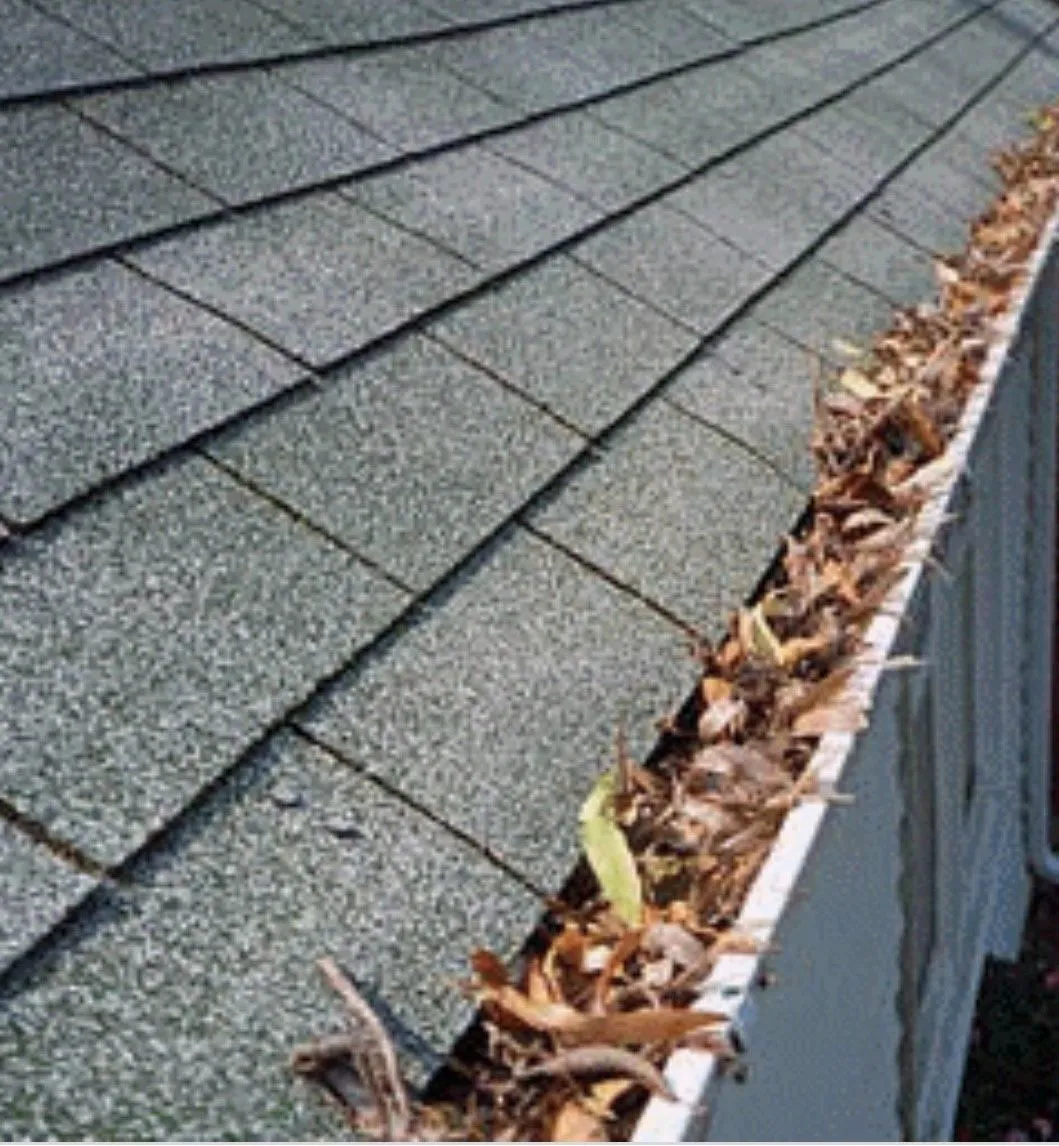
A 3-tab shingle is a single flat layer of asphalt mat with cutouts that create the three tabs. It lies flat and produces a uniform, slightly striped roof.
An architectural shingle (also called dimensional or laminated) bonds two or more layers together, so the shingle has thickness and a varied profile. It is heavier per square, has more asphalt and more adhesive area, and casts shadows that read as texture from the street.
That extra material is the whole story. More asphalt means more resistance to cracking as the shingle ages, and more bonded surface means the wind has less to lift.
Wind rating is the practical difference
3-tab shingles are typically rated around 60 mph. Architectural lines are commonly rated to 110 or 130 mph, and heavy-duty wind-rated products go higher still.
Clark County gets real wind. The Columbia River Gorge funnels east winds through Washougal and Camas that regularly exceed what a 3-tab is rated for, and our winter storm season produces gusts across the whole county that put roofs on the ground somewhere every year.
The failure pattern is consistent: a 3-tab roof loses tabs in a strip along a rake or ridge, water gets to the deck, and the repair is a patch that never quite matches. We wrote about the aftermath in storm damage roof repair in Clark County.
Lifespan
3-tab is commonly sold with a 20 to 25 year rating. Architectural typically starts at 30 and runs up through lifetime-limited lines.
Apply the Pacific Northwest discount to both. A shaded, poorly ventilated roof here will not reach the number on the wrapper regardless of which product it is. But the gap between the two persists: architectural has more material to lose before it fails, so it absorbs our climate longer.
Why the price gap is smaller than it looks
This is the argument that actually decides it.
Material is a minority of a re-roof. Tear-off, disposal, underlayment, flashing, ventilation, permit, labor and cleanup are the same whether the bundles on the truck are 3-tab or architectural. Upgrading the shingle raises only the material line, which means the total difference between a 3-tab roof and an architectural roof on the same house is a modest percentage of the project.
For that modest percentage you get roughly double the wind rating and years of additional service life. There are not many upgrades in construction with that ratio, which is why the market moved and largely did not look back.
Appearance and resale
Architectural reads as a normal modern roof. 3-tab now reads, to anyone who looks at houses, as either an old roof or a cheap one.
That matters at sale. A home inspector will note the roof type and age, and buyers in this market have learned to ask. A 3-tab roof installed last year can still invite the “how long do I have” conversation, purely because of what it signals.
Where 3-tab still makes sense
- Detached shops, barns and outbuildings where appearance and resale are irrelevant
- Rental turnovers where the owner is selling within a short horizon
- Repairs matching an existing 3-tab field where a full replacement is not yet warranted
- Very low-slope sections where the specific product is engineered for it
Those are legitimate uses and we will install 3-tab for them without arguing.
What we actually install
For Clark County roof replacements we default to architectural, and step up to heavy-duty wind-rated lines on Gorge-exposed and high-elevation properties where the wind history justifies it.
We are certified by CertainTeed, Malarkey and Owens Corning, which matters for the warranty rather than for the shingle: manufacturer system warranties require a certified installer and a registered job. We compare the three manufacturers in CertainTeed vs Malarkey vs GAF.
Whichever product goes on, the details that determine how long it lasts here are the same: balanced attic ventilation, correct flashing at every transition, and keeping moss off it.