

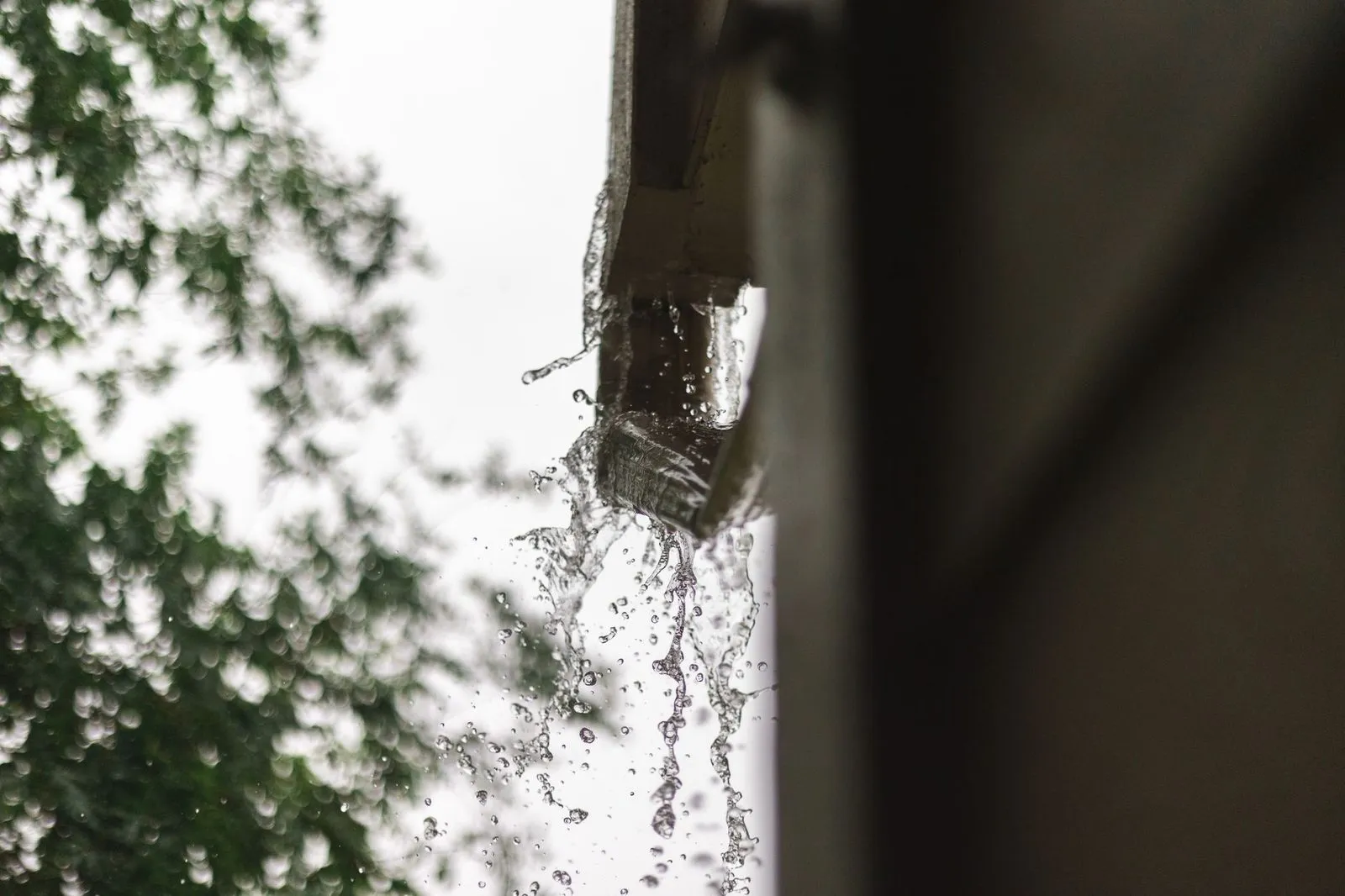
Most of us only think about our gutters when water is pouring over the front of them. By then the rain has already started, the debris is packed in, and nobody wants to be on a ladder in the dark. October is the better moment. The big leaf drop is underway, the ground is still dry enough to work around, and a few hours now can spare you a lot of trouble in January.
This guide covers when to clean your gutters in Clark County, what to look for once they’re clear, and how to decide between doing it yourself and hiring it out.
When Should You Clean Gutters Before Winter?
Aim for the window after most of the leaves and needles have come down but before the steady rain of November and December. In practice that is often late October through mid-November, though it moves with the trees. Bigleaf maples drop early and all at once. Douglas fir and cedar drop needles and small debris for much of the fall.
If you clean too early, you may find a fresh layer of leaves a week later. If you wait too long, wet debris turns into a heavy, compacted mat that is harder to scoop out and keeps the trough from draining.
How Often Do Gutters in Clark County Need Cleaning?
Twice a year is a common rhythm for homes under tree cover: once in fall and once in late winter or spring. A house with few trees nearby may be fine with a single yearly cleaning. A house tucked under big firs may want a quick check after every major windstorm.
Look at your own yard rather than a calendar. If branches hang over the roofline, plan on more cleanings. Homes in Felida and Hockinson often sit under heavy canopy, and the gutters there fill faster than the ones on an open lot in town.
Why Fir Needles and Maple Leaves Behave Differently
Maple leaves are big and flat. They mat together, sit in the trough, and block the downspout opening. Fir needles are small and stringy. They slip through gaps, settle in the corners, and weave into a dense layer that holds moisture. Moss spores and seeds then take root in it, and you can end up with a small garden growing along the eave.
Both problems have the same result. Water can’t reach the downspout, so it stands in the trough, spills over the front, or backs up under the first row of shingles.
Cleaning Gutters Safely
A gutter cleaning is simple work that happens in a risky place. Most gutter falls involve a ladder, not the gutter itself. A few ground rules help.
- Set the ladder on firm, level ground and keep your body between the rails.
- Never lean it against the gutter itself, which can bend or pull away.
- Stay clear of power lines and service drops at the roofline.
- Skip the job in wet or windy weather and don’t climb onto a steep or mossy roof to reach it.
- If the work requires you to stretch, you’re too far from the ladder. Climb down and move it.
If your home is two stories, has a steep pitch, or has gutters that are hard to reach, hiring it out is a sensible decision rather than a failure. Our gutter cleaning is done by hand, and we don’t blow debris back onto the roof.
What to Do With the Gutters Once They’re Clear
Scoop the debris into a bucket instead of dropping it to the ground, where it ends up on your walkway. Then flush the system with a garden hose, starting at the end farthest from the downspout.
Watch the water as it runs. It should move steadily toward the downspout and drain freely. Standing water in the trough usually means the gutter has sagged or lost its pitch. If the flow slows at one spot, check that downspout for a clog. A hose pushed up from the bottom, or one run down from the top, usually clears it.
Check the Downspouts and Where the Water Lands
A clean gutter that dumps water against your foundation just moves the problem. Make sure each downspout ends with an extension or splash block that carries water several feet from the house. Check the ground near the downspouts for pooling, soft soil, or erosion.
This is the part people skip. For more on how drainage fits into the whole system, see the downspouts and drainage options we install, including oversize downspouts for roofs that shed a lot of water.
Spot Problems While You’re Up There
Cleaning is also your best chance to see the gutters up close. Look for these:
- Seams or joints that drip, or sealant that has dried and cracked
- Gutters pulling away from the fascia, or spikes and brackets that have loosened
- Rust spots or holes in the trough
- Sagging sections where the pitch has changed
- Granules from your shingles collecting in the bottom, which can point to a roof that’s wearing out
- Dark, soft, or peeling fascia board behind the gutter
If you find soft fascia or a gutter that is leaking behind the board, read gutters overflowing or leaking behind the fascia for how to describe what you saw. If several of these signs show up together, signs your gutters need replacement can help you decide what comes next.
Look at the Roof Edge From the Ground
While the ladder is out, step back and look at the roofline. Missing or curling shingles near the eave, loose flashing, and moss along the lower courses all let water get behind the gutter. You don’t need to climb up to see them. Binoculars or a phone camera with zoom works well.
Our fall roof inspection checklist walks through what to photograph, and how to get rid of moss on a roof explains why you should never pressure wash it away. If anything on the roof worries you, we offer a free, drone-documented roofing inspection for homes in Salmon Creek and across Clark County.
Do Gutter Guards Mean You Never Clean Again?
No. Guards reduce how often you clean, but fir needles and fine debris can still build up on top of or under them, and they need an occasional brushing or rinse. The right choice depends on your trees. Our guide to gutter guards for fir and cedar in Clark County explains the options and the honest case for skipping them.
When Cleaning Isn’t Enough
Sometimes you clear the gutters and the water still misbehaves. If a trough sags in several places, leaks at multiple joints, or is the wrong size for the roof above it, cleaning won’t fix it. That’s when gutter repair and replacement becomes the better path. We’ll look at it with you and say plainly whether a repair will hold or the run needs replacing.
Can I Clean Gutters in the Rain?
It’s best not to. Wet ladders, slick shingles, and poor visibility add risk, and wet debris is heavy and messy. Wait for a dry day, even a short one. A dry stretch in late October gives you a safe window.
Is a Clogged Gutter a Big Deal?
It can be. Water that can’t drain sits against the fascia, soaks the soffit, and can work under the shingles at the edge of the roof. Over a wet season that can mean rotted trim, interior stains, and damp insulation. A clogged gutter is cheap to fix and expensive to ignore.