Most homeowners ask this question for one of two reasons. They are buying a house and want to know what the roof has left, or they are looking at a roof that has started to look tired and wondering how much more time it has.
The honest answer is a range, and where a roof lands in that range depends on the house more than the shingle.
How Long Does a Roof Last in Vancouver, WA?
These are the ranges we work from for Clark County roofs:
- Standard architectural asphalt shingles: rated for 25 to 30 years, and typically lasting 22 to 28 years in our climate.
- Heavy-duty wind-rated asphalt lines: rated for a lifetime limited warranty, and typically lasting 30 to 40 years.
- Standing-seam metal: 50 years or more.
- Existing cedar shake: 15 to 25 years in our climate before it needs significant repair.
Those figures are the same ones on our roofing page, and they describe roofs that were installed well and looked after. If you are weighing materials, our comparison of metal roofs and asphalt shingles in the Pacific Northwest goes further into how each ages here.
Why the Rated Number Is a Ceiling
A warranty period is not a forecast. The Asphalt Roofing Manufacturers Association says that sooner or later every roof needs to be replaced, usually because of the long-term effects of weathering, and that a residential roof more than 20 years old is a prime candidate for reroofing.
That line is useful because it ignores the label. Age matters, but so does what the roof has been through.
What Shortens a Roof’s Life Here
Four things show up again and again on Clark County roofs that age early.
Shade and moss. A north-facing slope under fir and cedar stays wet long after the sun hits the rest of the house. The ARMA says moss is detrimental to shingle performance because it can lift or curl shingles, which raises the risk of blow-off in wind.
Wooded lots in areas like Felida and Hockinson are prone to it. Our guide to getting rid of moss on a roof covers what works.
A wet attic. Ventilation moves heat out of the attic, and the ARMA notes that this helps prolong the service life of the roof. In our wet months the bigger job is moving moisture out. We cover it in roof and attic ventilation in Pacific Northwest homes.
Failed flashing. A shingle can have years left while the flashing around a chimney or skylight gives out. That is a repair, not an end of life. See where roof leaks actually start.
Installation. Fasteners placed where the manufacturer specifies, correct underlayment, and a matching ventilation plan all affect how long a roof holds up.
Signs a 20-Year-Old Roof Needs a Closer Look
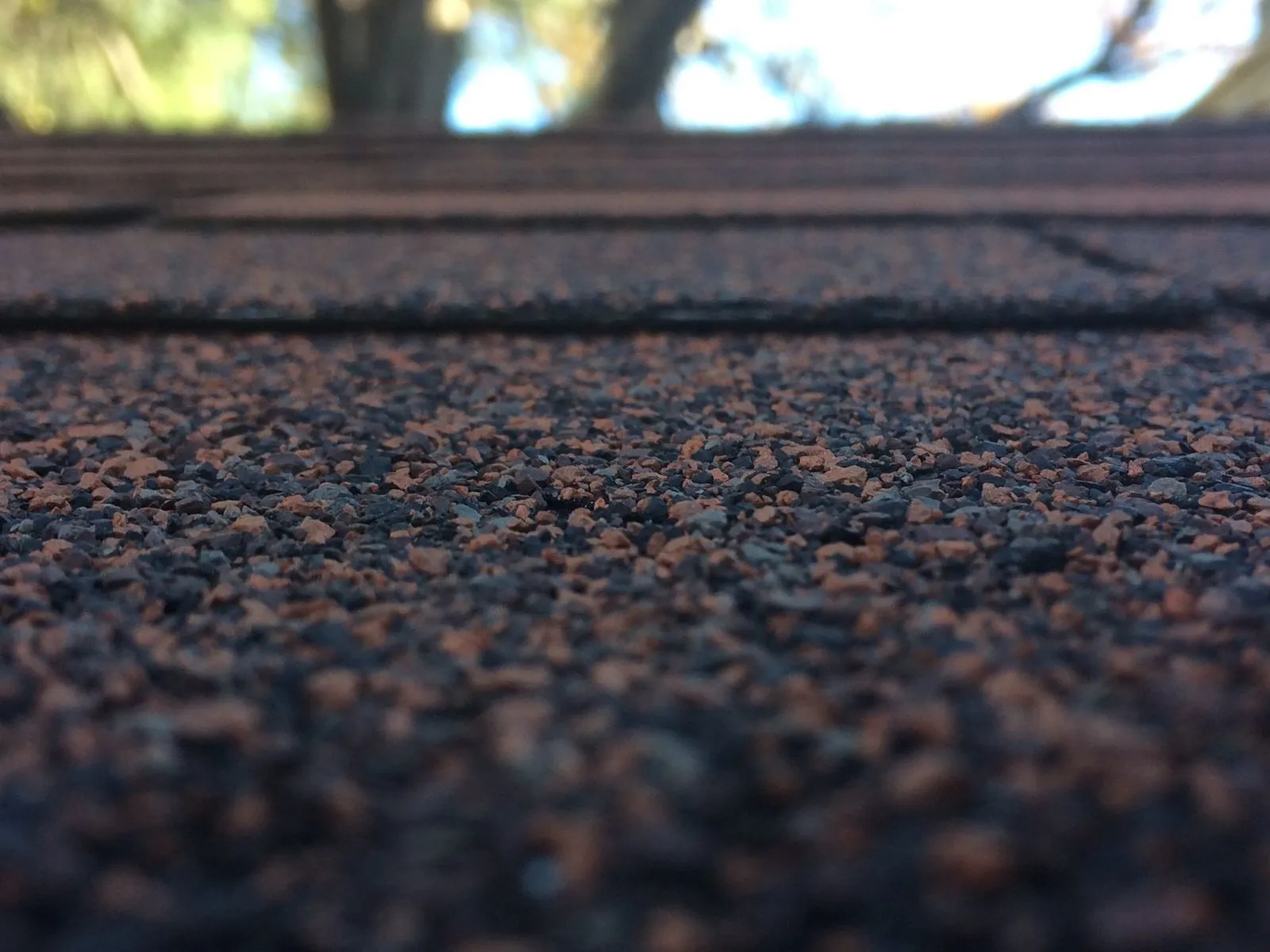
Age alone does not mean replacement. It means it is time to look. Check the gutters for a heavy layer of shingle grit, look for curling or cupped edges, and walk the property for lifted or missing tabs after wind. Any of those together with an age past 20 years is a good reason to book an inspection.
Our post on when to replace a roof in the Pacific Northwest lays out the signals in more detail. Homes in a subdivision built over the same few years tend to reach that point together, whether in Salmon Creek, Orchards or anywhere else in Clark County.
Keep the Install Year on File
A small habit pays off later. Write down the year the roof went on, the shingle line and color name, and where the warranty paperwork lives.
The ARMA points out that knowing the color name and the year your roof was installed makes it much easier to match shingles when a repair comes up. It also answers the first question any inspector or buyer will ask. If you are not sure of the year, a free inspection with drone photos tells you what the roof looks like today.